

The tank that is never opened.
To inspect a tank floor the owner empties it, vents it for weeks and sends people in with brass shovels. A robot that lives in the tank maps the floor in product, on a schedule.
TODAY: EMPTYING A TANK TO LOOK AT ITS FLOOR
7months
of outage an internal tank inspection can take
API 653 requires an internal inspection every ten to twenty years, and it has always meant taking the tank out of service: emptying it, blinding the lines, venting for weeks, mucking out hundreds of tonnes of sludge by hand through a 24-inch manway with non-sparking tools. Owner case studies document forty days to seven months of outage per tank.
At a Tennessee Valley Authority site a conventional inspection of one fuel-oil tank would have needed about 130 truck movements just to relocate the fuel. Vendor cases record $1.1 million and six months saved on a single diesel tank, and up to 2,800 hours of confined-space entry eliminated.
The world’s 6,640 commercial terminals hold 130,000 tanks and 1.27 billion cubic metres of product. The refineries, plants, airports and depots hold roughly as many again.
How we help today: the in-service inspection visit
Submersible crawlers already map tank floors through a roof nozzle while the tank stays in service, and no-entry cleaning machines have desludged crude tanks since 2004. Each is a visit: a crane, a crew and an invoice, then a decade of silence. Gobo’s robot makes the visit, and then does not leave.
And from then on: a resident fleet with a dock on every terminal
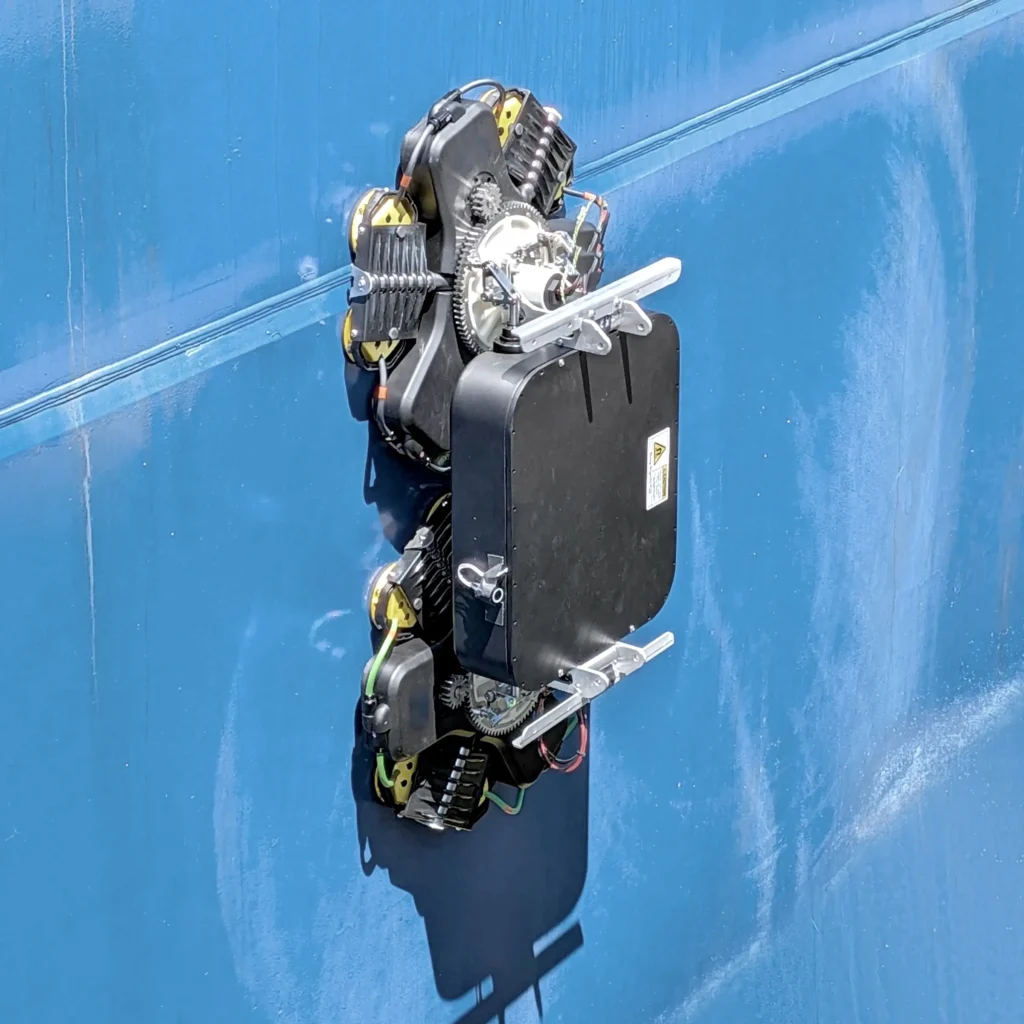
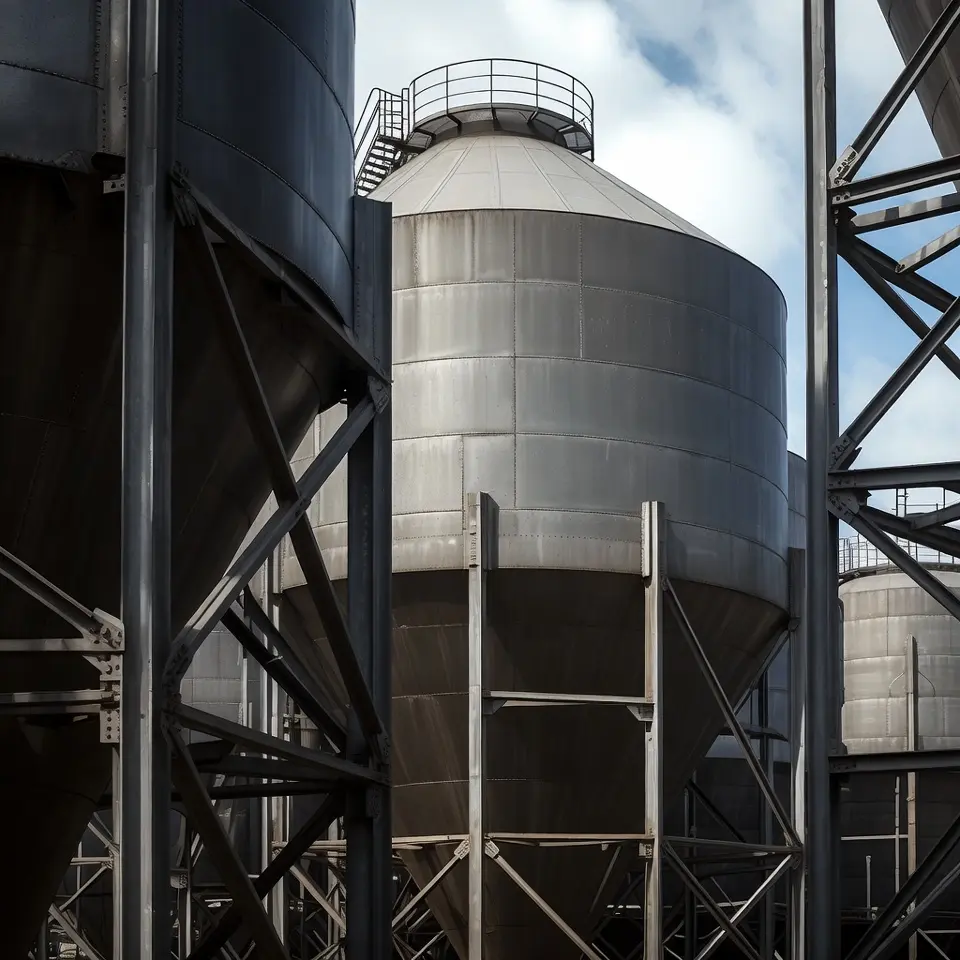
A terminal with a hundred tanks keeps a small resident fleet. Hazardous-area robots enter through a roof nozzle and walk the floor in product on a schedule, mapping thickness and pitting at the same points every quarter, so the floor corrosion rate is a measured trend rather than two readings a decade apart.
External units walk the shell and roof, mapping every course, finding the first blisters and touching them up, keeping the five-year external inspection permanently current. Intervals are set from measured rates and stretched to the twenty-year cap where the data justify it.
The tank is taken out of service only for repair, scoped before the first manway is opened, with the parts on site and the sludge volume known. Confined-space hours fall to near zero, and the leak never reaches the soil.
commercial terminal tanks
replacement value
spent on upkeep every year
spent on inspection fees every year