

The plant that is always inspected.
A refinery spends a year's maintenance budget in a few weeks of turnaround, and its most expensive corrosion is the kind nobody can see. Resident robots turn inspection into a monthly trend.
TODAY: A YEAR'S BUDGET IN A FEW WEEKS, AND THE CORROSION UNDER THE INSULATION
$1.5bn
Marathon Petroleum's planned turnaround spend in 2025, $1.39 per barrel
Marathon Petroleum spent $1.5 billion on planned turnarounds in 2025, $1.39 for every barrel it ran. Every day a unit stays down costs between $1.2 million and $3 million in lost margin. The turnaround’s enemy is discovery: equipment opened and found worse than expected while the clock runs.
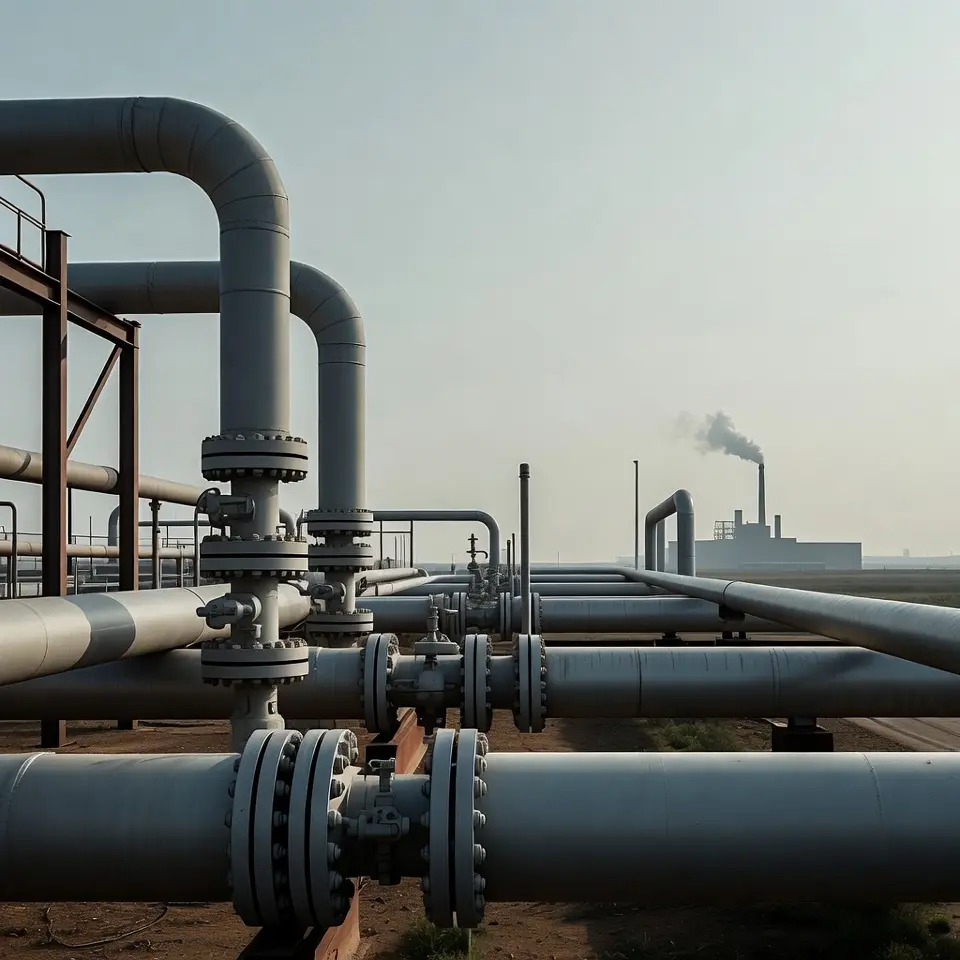
Corrosion under insulation is cited as 40–60% of piping maintenance cost. Stripping insulation to look costs hundreds of thousands of dollars per circuit, mostly to find nothing. In 2012 a fifty-two-year-old crude-unit pipe at Chevron Richmond, thinned by corrosion that spot inspections missed, ruptured into a vapour cloud that engulfed nineteen workers.
A refinery had budgeted $1.1 million to replace a flare header. A crawler collected 9.7 million thickness readings in five shifts, confirmed twelve more years of service, and the replacement was cancelled. The plant then took eleven drums and two towers out of its next turnaround.
How we help today: a crawler for the turnaround
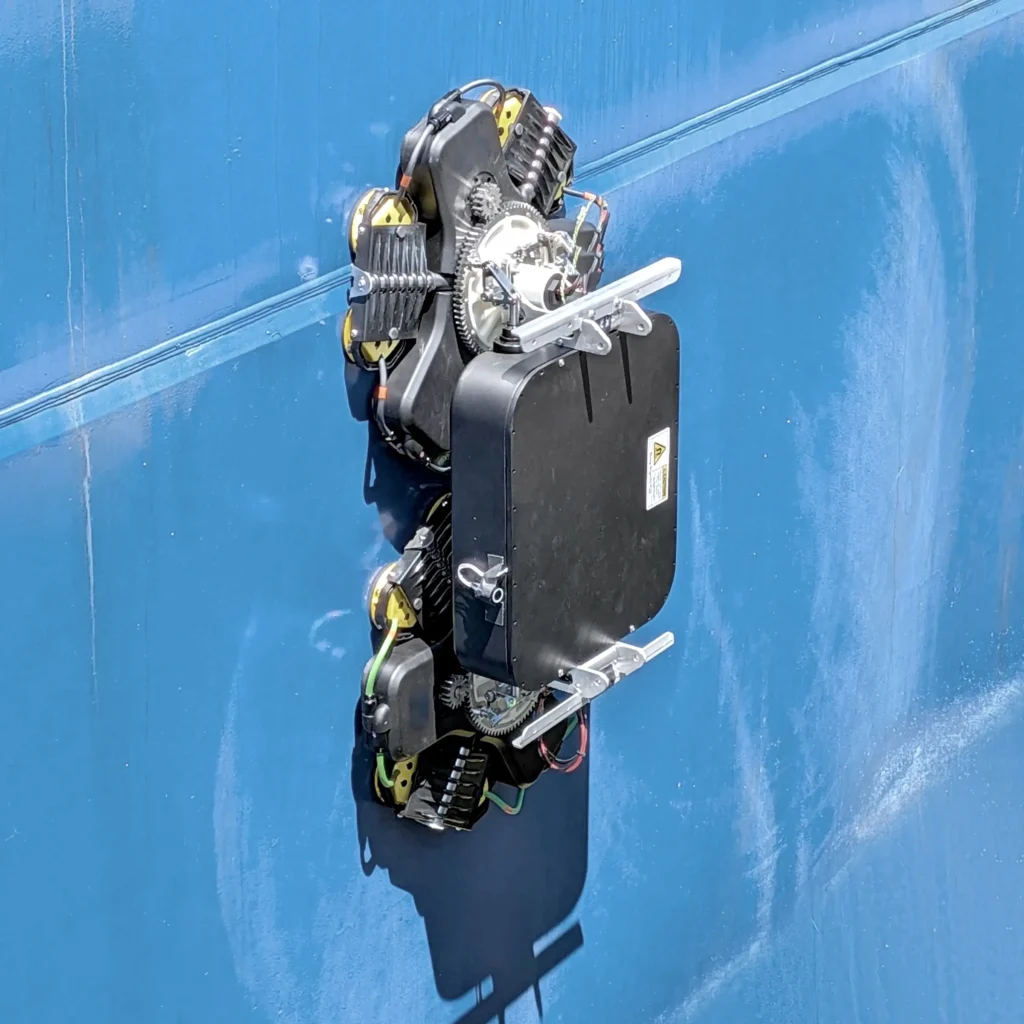
Refineries are the most mature buyers of inspection robots: campaign crawlers map vessels online, collars screen insulated pipe, carriages lay cladding. They are rented for the job and leave with the contractor. Gobo’s robot does that campaign work too, and then stays on the column.
And from then on: the structure that inspects itself between storms
Resident robots live on the hardest-to-scaffold equipment in the plant: the crude and vacuum columns, the spheres, the stacks, the flare headers and the tank farm. Each walks its structure on a schedule, mapping wall thickness between the monitoring locations, so the corrosion engineer’s model runs on measured monthly rates rather than assumed ones.
Six months before a turnaround the owner knows which drums and towers need to be opened and which do not, orders the steel, freezes the scope and takes the inspection-only items out of the window. Robots go into vessels before people do.
Because the robot touches up external coating on the same traverse, the atmospheric corrosion that seeds CUI is suppressed at the source. The fifty-two-year-old crude line’s remaining wall is a number on a dashboard, not a surprise.
refineries and 330 steam crackers
plant replacement value
spent on maintenance every year
spent on inspection every year