
Infrastructure that takes care of itself.
Gobo builds autonomous robots that live on steel: bridges, ships, tanks, platforms, plants and dams. They inspect every day and maintain before anything fails. Twenty trillion dollars of steel holds up modern life, and today not one autonomous robot lives on it.
Five Requirements. One robot that meets them all.
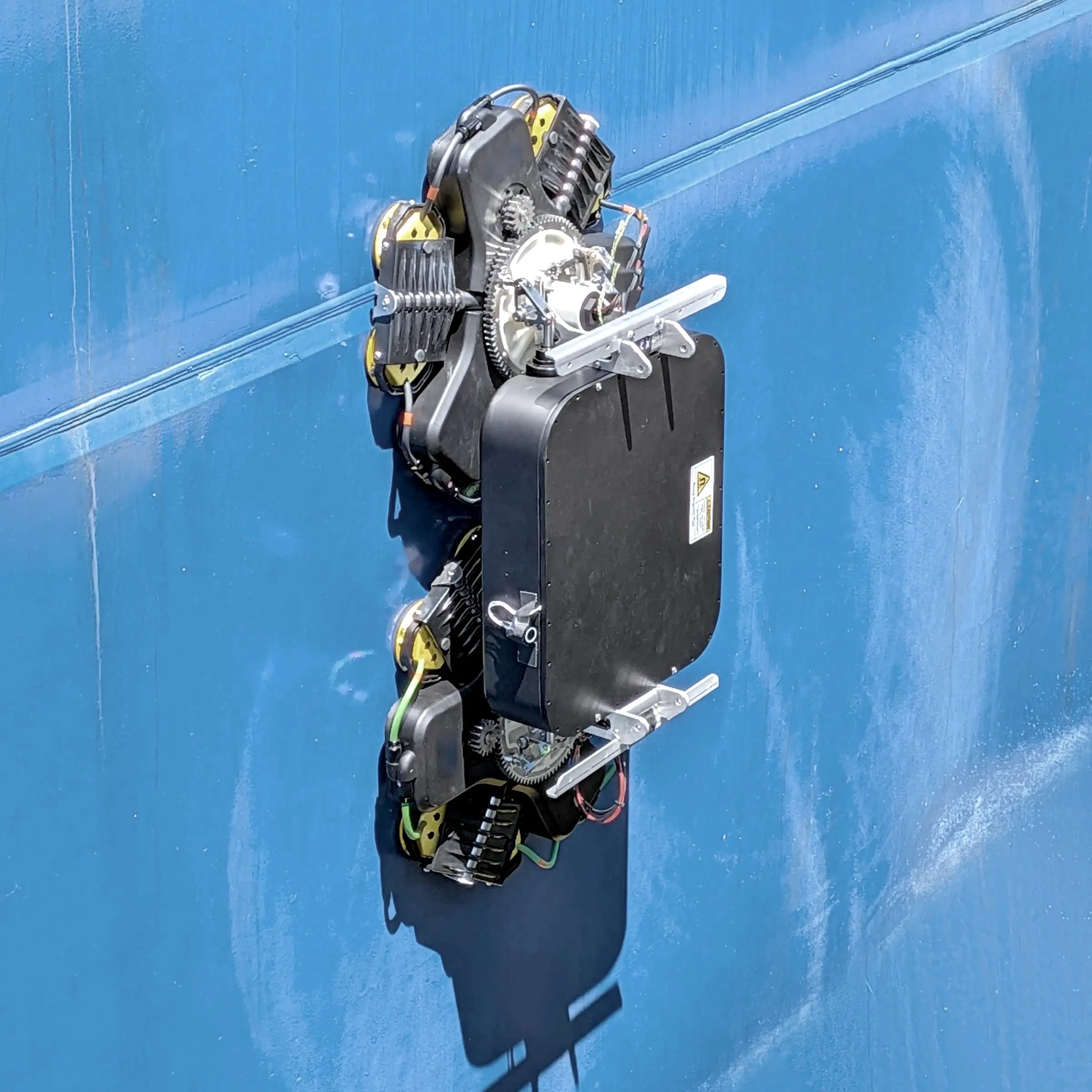
A robot that lives on steel has to hold on without using power, so that it can wait out a storm or a shift with nothing left in its battery. It has to walk without slipping, so that it never damages the coating it is there to protect. It has to be autonomous, so that nobody is paid to watch it. It has to be energy efficient, so that it works unattended for weeks. And it has to be permanent.
Ten years of research at Harvard produced a new way of holding on to steel that makes the first requirement possible, and the other four follow from it.
Zero power
To hold on.
Zero slip
Walking feet, not wheels on tracks.
35 kg
Walks any steel surface.
200+
Dynamic Adhesion Units (the feet) built and tested; 20,000+ simulations.
Six markets. One robot.
The same machine, with different payloads, on the steel that owners spend $500 billion a year to keep in service.
Inspection, Sandblasting and Painting across 600,000+ bridges . Deploying robots wherever it is hazardous for human workers. Data matters: a fatigue crack found at ten millimeters is a drilled hole and an afternoon’s work; the same crack two years later is a closed bridge.
By the numbers
of steel assets in six markets
spent every year to maintain and inspect them
market opportunity for Gobo robots
resident robots those assets can carry
of steel assets in six markets
spent every year to maintain and inspect them
market opportunity for Gobo robots
resident robots those assets can carry
By the numbers
of steel assets in six markets
spent every year to maintain and inspect them
market opportunity for Gobo robots
resident robots those assets can carry
Proven people, first orders
“Gobo Robotics will reduce our fuel bill by 10 to 14%.”
— Suraj Batra, Ardmore Shipping
“Frequent gentle cleaning, with underwater robots, is essential for saving fuel.”
— Jean-Loup Barrere, CMA CGM
Our first $2 million order is from the US Navy. Our founders brought the core robot technology out of Harvard, designed and shipped thousands of robots on time and on budget at Alert Innovation, and created the autonomous underwater vehicle industry at Bluefin Robotics.
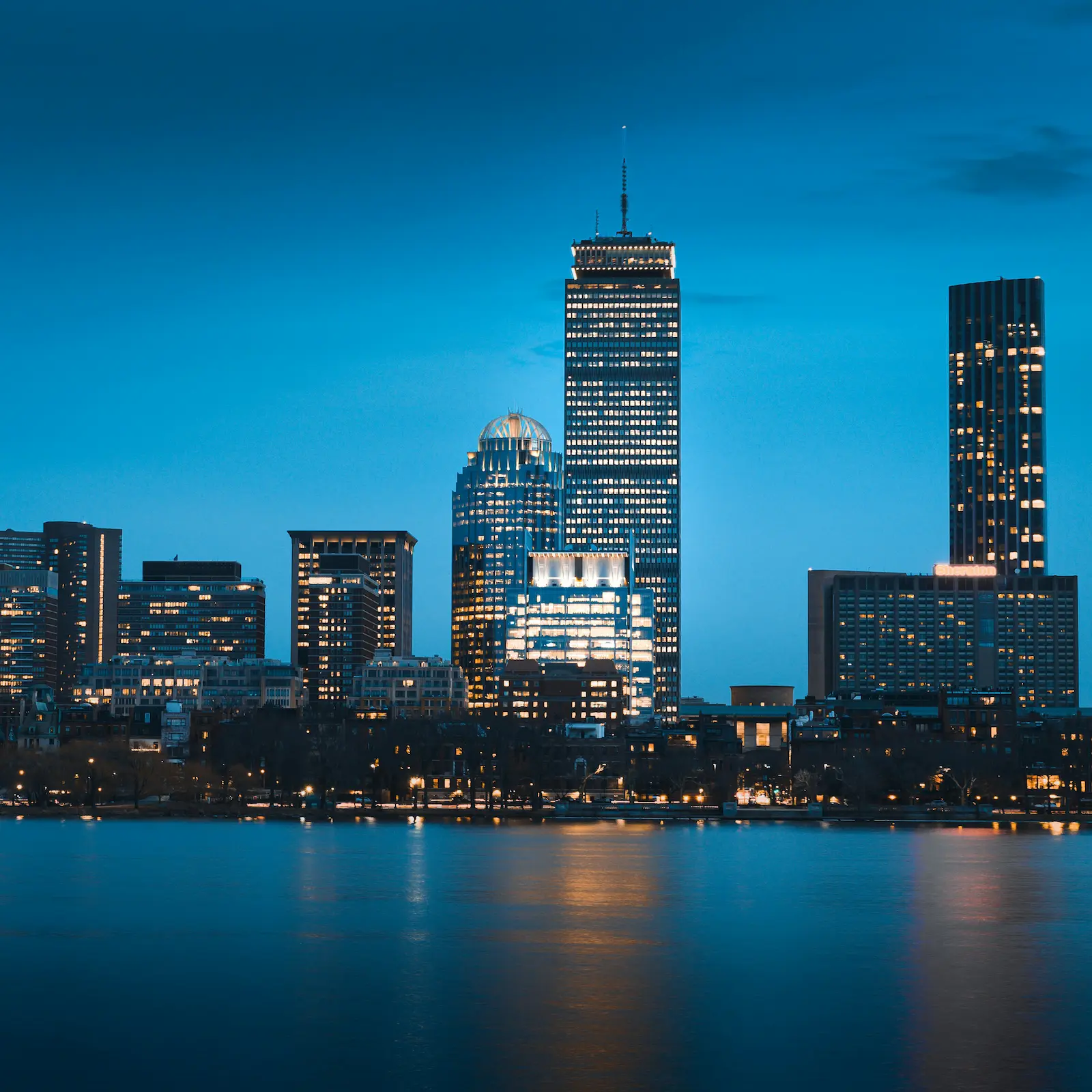
Built in the city that builds robots.
Boston has more robot companies than any region in America, the densest engineering talent on Earth, and a harbour fifteen minutes from the bench, so a hull robot can be in salt water the afternoon it leaves the lab.